khyatigrover222@gmail.com
Phone : +918802081838
Other salivary gland tumors
Clear and Complete Insights into Head and Neck Cancers
Insights into Salivary Gland Functions
Salivary glands, comprising the parotid, submandibular, and sublingual glands, play a pivotal role in maintaining oral health and facilitating digestion. The parotid glands, located near the ears, are the largest and primarily produce saliva to aid in chewing and swallowing. The submandibular glands, found beneath the jaw, and the sublingual glands, situated under the tongue, contribute to the lubrication of the mouth and the initial stages of digestion. Additionally, minor salivary glands scattered throughout the mouth and throat support overall oral moisture. Tumors can arise in any of these glands, potentially impacting their essential functions.
Clear and Complete Insights into Head and Neck Cancers
Insights into Salivary Gland Functions
Salivary glands, comprising the parotid, submandibular, and sublingual glands, play a pivotal role in maintaining oral health and facilitating digestion. The parotid glands, located near the ears, are the largest and primarily produce saliva to aid in chewing and swallowing. The submandibular glands, found beneath the jaw, and the sublingual glands, situated under the tongue, contribute to the lubrication of the mouth and the initial stages of digestion. Additionally, minor salivary glands scattered throughout the mouth and throat support overall oral moisture. Tumors can arise in any of these glands, potentially impacting their essential functions.
Diagnostic Strategies for Salivary Gland Tumors
Effective diagnosis of salivary gland tumors involves a thorough combination of imaging and biopsy techniques. Ultrasound, CT scans, and MRI provide detailed images of the tumor’s size and location, crucial for assessing its impact on surrounding structures. A biopsy is essential for distinguishing between benign and malignant tumors. These diagnostic methods help in formulating a targeted treatment plan and understanding the tumor's behavior. Accurate diagnosis is instrumental in determining the appropriate course of action and ensuring optimal patient outcomes.
Postoperative Care and Monitoring
Following salivary gland surgery, diligent postoperative care is vital for recovery and long-term health. Emphasis is placed on wound healing, pain management, and regular monitoring for tumor recurrence. Patients are guided on maintaining oral health and monitoring any changes in saliva production or gland function. Regular follow-up appointments are crucial for assessing recovery progress, managing any ongoing effects of treatment, and ensuring that the tumor does not return. Comprehensive follow-up helps in addressing any new issues and supports the patient’s overall wel-being
Understanding Salivary Gland Tumors
Types and characteristics of salivary tumors
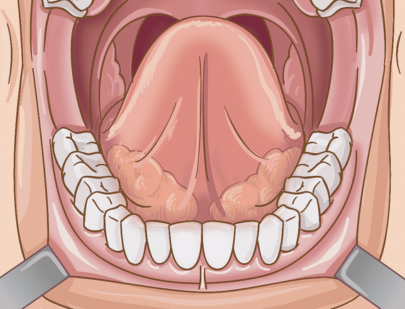
- Benign Tumors: Includes pleomorphic adenomas (benign mixed tumors) and Warthin's tumors
- Malignant Tumors: Includes mucoepidermoid carcinoma and adenoid cystic carcinoma
- Tumor Variants: Acinic cell carcinoma and salivary duct carcinoma with distinct characteristics
- Location-Specific Tumors: Parotid gland tumors vs. submandibular and minor salivary gland tumors
- Histological Features: Tumors are categorized based on cell type and growth pattern
Recognizing Salivary Gland Tumor Symptoms
Signs and indicators of salivary tumors
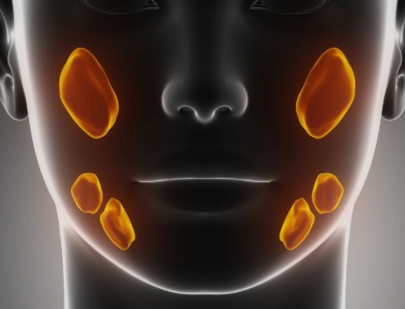
- Swelling or Lumps: Noticeable masses or enlargements in the affected gland area
- Pain or Discomfort: Persistent or intermittent pain in the gland or surrounding regions
- Difficulty Swallowing: Trouble swallowing food or liquids due to gland enlargement
- Changes in Saliva: Altered saliva production or consistency, potentially leading to dryness or irritation
- Facial Nerve Issues: Weakness or numbness affecting facial expressions if the tumor impacts nearby nerves
Treatment and Surgical Approaches for Tumors
Effective methods and key considerations
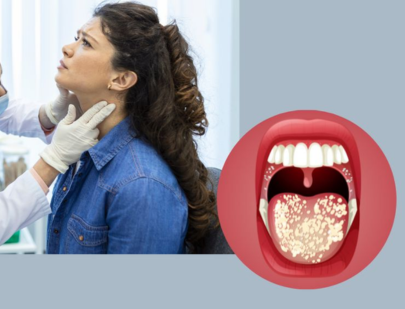
- Surgical Removal: Excision of the tumor through surgery to achieve the best outcomes
- Radiotherapy: Used for malignant tumors or to target residual cancer cells after surgery
- Chemotherapy: Applied for aggressive or advanced cases of cancer, especially if surgery isn’t feasible
- Facial Nerve Preservation: Techniques to avoid nerve damage during surgery for maintaining facial function
- Postoperative Monitoring: Regular follow-ups to check for tumor recurrence and

Dr. Khyati Bhatia Grover.All Rights Reserved © 2026


